A Pivotal Moment for Libya’s Energy Journey
Every energy-producing country reaches moments when progress, planning, and opportunity align. These moments are not accidents. They are the result of steady groundwork, institutional experience, and long-term vision coming together at the right time. For Libya, that moment is increasingly taking shape around the year 2026.
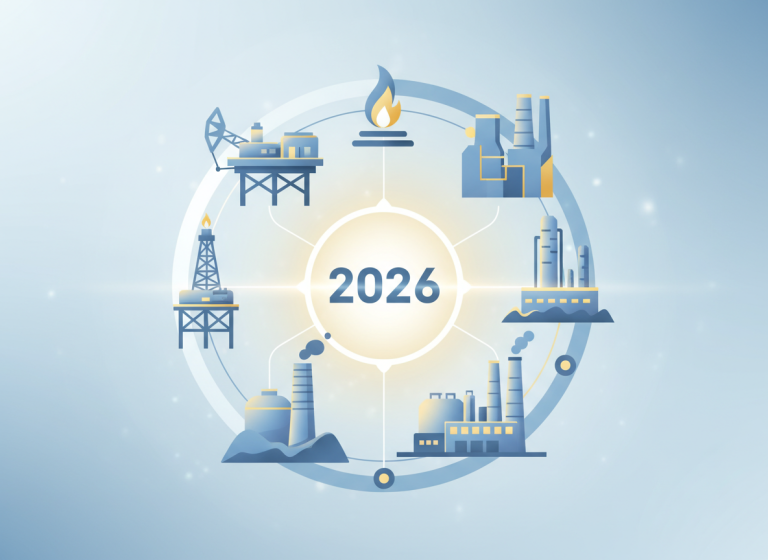
Several important developments are advancing in parallel. A new licensing round is approaching its conclusion. Offshore exploration activity is returning to deeper waters. Gas projects are moving closer to early production. Marginal field initiatives are gaining attention. Refinery upgrades are progressing steadily. Taken together, these developments point to a rare convergence. Over the course of my career, I have seen how timing can amplify impact. When multiple initiatives mature together, momentum builds naturally. 2026 appears to be one of those moments where preparation meets opportunity.
Exploration Readiness and Technical Momentum
Libya’s upstream sector is entering a phase defined by technical readiness rather than announcements or single milestones. Advances in subsurface understanding, improved seismic interpretation, and accumulated operational knowledge are strengthening confidence in the country’s geological potential.
This momentum reflects years of groundwork. As teams revisit basins with modern tools and updated models, exploration activity gains depth and direction. The focus is increasingly on readiness, where capability allows opportunities to unfold naturally.
This environment supports sustained engagement and long-term planning, rather than short-term bursts of activity.
Offshore Exploration as a Signal of Long-Term Perspective
The return of offshore drilling activity, including deeper water exploration, reflects a natural progression in Libya’s upstream development. Deepwater exploration requires advanced expertise, long-term commitment, and confidence in both geology and operations.
Beyond potential discoveries, offshore activity strengthens collaboration and technical capability. It complements onshore strengths and adds strategic depth to Libya’s exploration portfolio. Offshore work also supports skill development and knowledge transfer that benefit the wider sector.
Gas Development Supporting System Balance
Gas projects approaching early production play an important role in strengthening Libya’s energy system. It supports electricity generation, improves flexibility, and contributes to long-term reliability across the sector.
As gas becomes increasingly central to regional energy strategies, Libya’s progress in this area enhances domestic stability while supporting future integration opportunities. Gas development helps diversify the energy mix and supports a smoother transition toward a more balanced system.
Marginal Fields and Incremental Growth
Marginal fields contribute a different kind of value. They emphasize efficiency, focus, and aggregation rather than scale alone. Smaller assets, when developed through disciplined approaches, can add meaningful volumes over time.
By broadening participation and encouraging specialized operational models, marginal field activity adds resilience and flexibility to upstream growth. Individually modest, these contributions collectively strengthen the production base and support steady progress.
Downstream Readiness and Integration
Refinery upgrades underway across Libya enhance operational reliability and long-term efficiency. Modern downstream facilities ensure that upstream progress translates into tangible economic value.
Downstream readiness strengthens supply security and aligns infrastructure with evolving production profiles. It is an essential component of an integrated energy system where progress upstream is matched by capability downstream.
A Year Where Preparation Meets Opportunity
2026 represents more than a date on the calendar. It reflects years of preparation coming into view at the same time. Licensing activity, exploration, gas development, marginal field initiatives, and refining upgrades are all advancing with shared direction.
From my experience, energy sectors move forward when clarity, capability, and timing align. Libya is approaching such a moment. If momentum is maintained and coordination remains strong, 2026 may be remembered as a year when progress became self-sustaining and the foundations of the next energy chapter were firmly set.