A Shift From Gas Producer to Gas Connector
Around the world, the most influential gas players are often those positioned at the crossroads, where supply routes converge and regional networks meet. Libya is entering a moment where several regional energy projects seem to naturally point toward its coastline. Greenstream is running far below its designed capacity. Algeria is deepening cooperation. Nigeria continues to explore northbound pipeline concepts. Turkey and Egypt are expanding their regional gas footprints.
These developments suggest something important. Libya’s gas future may rely not only on what it produces, but on what it can gather, process, and coordinate. Throughout my career, I have seen how value often lies in the center of the network, not only at the source. Libya has an opportunity to step into that central role.
Why Gas Hubs Matter in the New Energy Landscape
Gas hubs have become essential in today’s energy markets. They create flexibility for buyers, encourage cooperation among producers, and stabilize supply even when global conditions shift. Europe seeks closer and more diversified suppliers. Africa continues to expand upstream activity. The Mediterranean is developing new offshore corridors that reshape traditional supply patterns.
In this environment, the countries that thrive are those with the ability to coordinate flows. A gas hub receives supply from different sources, treats and balances volumes, and forwards gas toward demand centers. It reduces dependency on single suppliers, protects customers against disruptions, and attracts investment in processing, storage, and logistics.
Libya’s geography already aligns with these dynamics. Its location allows it to connect African, Mediterranean, and European gas systems. For Libya, the opportunity lies not only in being a supplier but in becoming a facilitator.
Libya’s Strategic Advantage
A Location Built for Regional Energy Flow
Libya sits at one of the most advantageous points in the Mediterranean energy network. It shares proximity with European demand centers, and its coastline lies within reach of both African supply routes and Eastern Mediterranean developments. The Greenstream pipeline, operating well below capacity, is a ready-made export corridor that can immediately support higher throughput.
Regional energy discussions continue to converge toward Libya. Algeria’s infrastructure creates potential for coordinated flows. Nigeria’s long-term plans for northbound gas routes point toward the Mediterranean. Turkey’s trading ambitions and Egypt’s LNG capabilities further highlight the region’s push toward integration.
Libya does not need to compete with these players. It can connect them. With its location and existing infrastructure, Libya can become a natural gathering point for regional gas.
The Infrastructure Pathway
Building the Physical Backbone of a Gas Hub
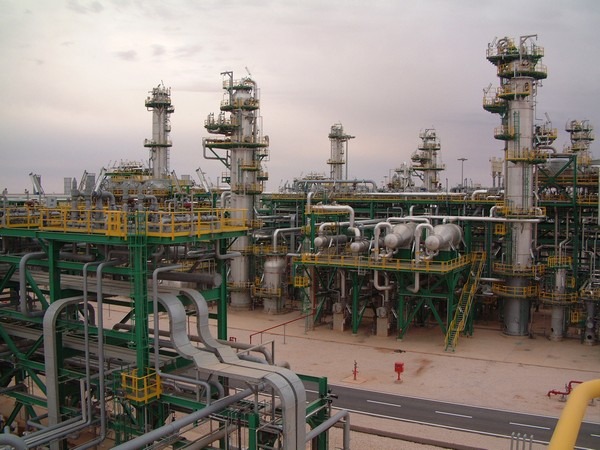
To become a true gas hub, Libya needs infrastructure capable of handling incoming and outgoing gas flows. The foundation already exists. Greenstream can be upgraded to handle higher volumes. Offshore developments in the central and eastern Mediterranean can anchor long-term supply potential. Onshore gas processing plants can be modernized to treat more diverse streams.
Storage is equally important. Flexible gas hubs depend on storage that helps balance seasonal or short-term fluctuations. Coastal storage facilities, floating storage solutions, and improved balancing systems can enhance Libya’s ability to manage varying volumes.
This infrastructure does not need to appear all at once. A phased approach allows Libya to increase capacity, upgrade systems, and attract partners without stretching resources. The goal is to gradually build the physical backbone that supports a regional role.
The Governance Foundation
Trust, Transparency, and Predictability Build Hubs
Even with strong infrastructure, no hub succeeds without reliable governance. Buyers, producers, and partners need confidence that gas will move consistently, contracts will be honored, and operational schedules will remain predictable. Governance provides that confidence.
For Libya, this means strengthening commercial frameworks, improving data transparency, and ensuring clear coordination across upstream, midstream, and export functions. Predictable systems make planning easier for partners and investors. They also elevate Libya’s standing as a trusted participant in regional energy cooperation.
From experience, I have seen how much global operators value stability. When internal systems are clear and aligned, trust grows, investment increases, and partnerships deepen. For Libya, governance can become a strategic advantage.
Regional Partnerships
A Hub Is Built Through Cooperation, Not Isolation
Gas hubs succeed when countries choose collaboration over competition. Libya’s regional environment presents multiple opportunities for cooperative development.
Algeria’s strong upstream base allows for potential seasonal balancing. Nigeria and West African producers continue exploring Mediterranean-linked routes. Turkey’s ambition to become a trading center creates room for coordinated market access. Egypt’s LNG capabilities could complement Libya’s pipeline infrastructure.
Libya’s strength lies in its ability to connect these systems. With thoughtful partnerships, the country can facilitate gas flows across borders, support regional energy security, and become a reliable link between markets.
A Phased Gas Development Strategy
Growing the Hub Role Step by Step
Libya can expand its role through a phased approach:
Phase One: Optimize what already exists.
Increase throughput on Greenstream. Strengthen onshore processing. Improve offshore and onshore production reliability.
Phase Two: Add targeted infrastructure.
Introduce modular storage, updated treatment systems, and enhanced compression. These upgrades create flexibility and improve stability.
Phase Three: Integrate regionally.
Develop joint infrastructure arrangements. Coordinate export plans with neighbors. Build shared systems that link Africa and the Mediterranean more closely.
This step-by-step model ensures that Libya develops capacity at a sustainable pace while proving reliability at every stage.
Libya’s Gas Future Lies in Connection, Not Only Production
Libya has the geography, infrastructure, and regional alignment to become more than a gas exporter. It can become a connector, a coordinator, and eventually a stabilizing hub within a complex Mediterranean and African energy network.
With stronger processing capabilities, reliable governance, strategic cooperation, and phased development, Libya can create long-term value not only from its own gas but from the flows it enables.
A gas hub is built through trust, systems, and strategy. Libya has the opportunity to turn these ingredients into a new foundation for its energy future.