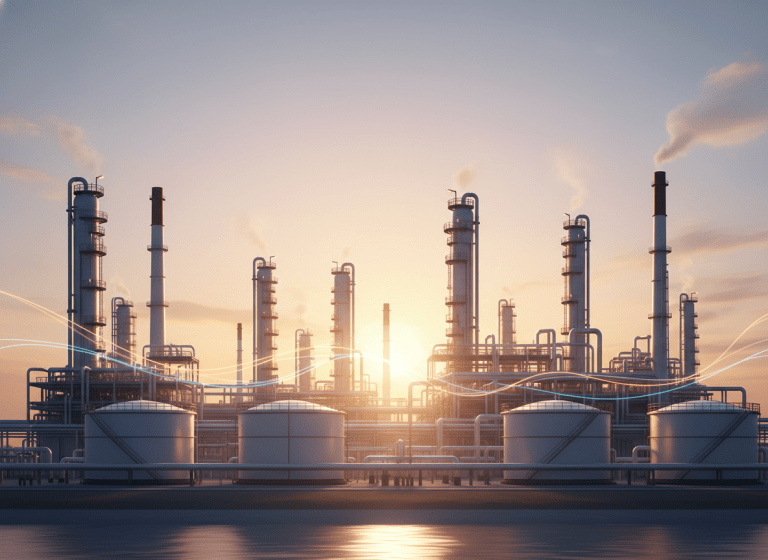
Across North Africa and the Mediterranean, pipelines and energy corridors are evolving into more than transport systems. They are becoming channels for regional cooperation and long-term partnership. Libya is positioned at the center of this shift. Renewed talks on the Nigeria–Libya–Europe pipeline, growing coordination with Algeria, ongoing offshore gas development with Eni, and regional interest from Turkey and Egypt all point to a rising opportunity.
This article explores how Libya can strengthen its position through gas connectivity. By investing in reliable infrastructure, shared hubs, and regional projects, Libya can build stronger partnerships and contribute to a more stable energy network across Africa and Europe.
Why Gas Connectivity Matters More Than Ever
Natural gas is becoming a strategic link between continents. Europe is looking closer to home for reliable suppliers, while Africa is expanding its upstream activity. This creates a natural alignment where regional systems matter more than individual pipelines.
For Libya, this shift plays to its strengths. The country sits between African producers and European demand centers. Connectivity allows Libya to join regional discussions, attract investment, and benefit from long-term contracts. When countries share infrastructure, they also share incentives for stability and collaboration.
Libya’s Strategic Position
A Natural Link Between Two Energy WorldsLibya’s location gives it a unique role in emerging gas networks. It is home to Greenstream, one of the most efficient routes into Southern Europe. Offshore potential along Libya’s coastline connects it to the same geological corridor that global companies are exploring across the Eastern Mediterranean.
To the south, the idea of an Africa to Europe corridor, including the Nigeria–Libya–Europe concept, highlights how Libya could serve as a northern gateway for continental supply. Libya also sits between Algeria, Tunisia, Egypt, and Europe, placing it at the heart of a region moving toward more integrated energy planning.
Geography alone does not create strategy, but it gives Libya a strong foundation for regional cooperation.
The Rise of Pipeline Diplomacy
Across the region, countries are beginning to treat energy links as instruments of diplomacy. Deeper coordination with Algeria, active offshore development with Eni, and growing interest from Turkey and Egypt show that pipelines and shared infrastructure are becoming avenues for political and economic alignment.
Pipelines encourage long-term engagement. Countries that rely on each other for energy flows tend to share information, coordinate planning, and build trust over time. For Libya, this shift presents an opportunity to strengthen its role through stable and cooperative energy policies.
Key Projects Shaping Libya’s Gas Future
Several initiatives illustrate Libya’s growing relevance within the region’s energy landscape.
The Nigeria–Libya–Europe concept represents the long-term idea of a unified African corridor, placing Libya at the northern anchor of the route. Technical cooperation with Algeria reflects a shared understanding that North African gas systems are becoming more interconnected. Offshore development with Eni demonstrates Libya’s value as a partner for Mediterranean supply. Interest from Turkey and Egypt suggests that Libya can link into broader regional energy planning, including power grids, LNG trade, and offshore collaboration.
Together, these projects create a foundation for a more integrated gas future.
Reliability Is the Currency of Modern Energy Diplomacy
In today’s energy environment, reliability is as important as reserves. Steady operations, clear communication, and predictable schedules often determine which countries become trusted partners.
For Libya, this means that improving day-to-day performance can strengthen its position more than any single project alone. Consistent output and coordinated planning send a strong signal to international partners and regional neighbours. Reliability builds confidence. Confidence attracts investment. This is how gas becomes a tool for cooperation rather than a source of uncertainty.
Toward a Regional Gas Network
The Mediterranean and North Africa are moving toward a more integrated energy system. Gas hubs, shared pipelines, and cross-border power links are gradually replacing isolated national networks. Libya can play a central role in this transition by supporting offshore expansion, upgrading existing facilities, and participating in regional planning efforts.
A connected Libya can contribute to shared processing zones, joint development projects, and coordinated energy strategies that benefit multiple countries. When nations are linked through infrastructure, they often build deeper economic and diplomatic ties.
This is how Libya can move from being shaped by the energy market to helping shape it.
Connected Future Built Through Cooperation
Libya’s gas future will be determined not just by its reserves, but by its ability to connect, cooperate, and deliver reliably. As Africa expands its supply potential and Europe seeks trustworthy regional partners, Libya is well positioned to play a bridging role.
By focusing on stable operations, strengthening cross-border projects, and investing in shared infrastructure, Libya can turn connectivity into a strategic advantage. Pipeline diplomacy encourages dialogue, stability, and long-term partnerships. With the right approach, Libya can evolve from a volatile exporter into a consistent and valuable regional link between Africa and Europe.
Support regional coordination on gas and power links.
Encourage investment in shared infrastructure.
Promote reliability and collaboration as core principles of Libya’s gas strategy.