Why Small Fields Are Gaining New Attention
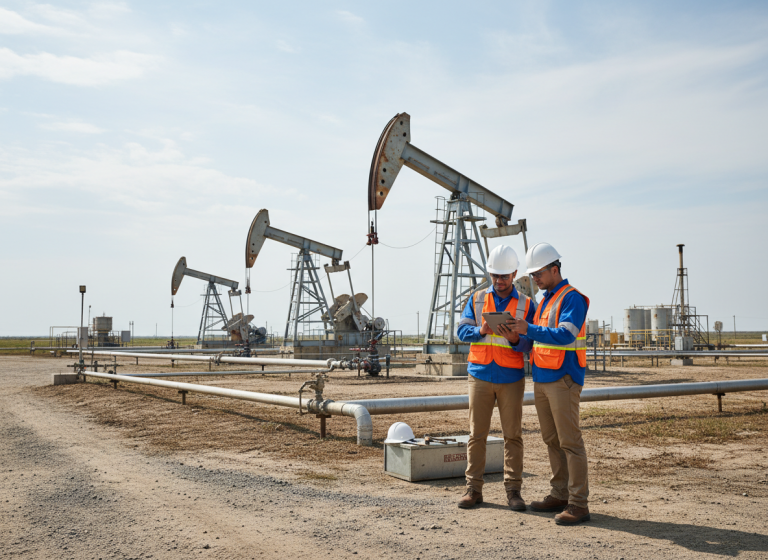
Libya’s production story has long been shaped by its giant oilfields. These assets established the country’s energy foundation and remain central to national output. Alongside them, however, smaller oil and gas fields are gaining renewed attention as complementary sources of growth.
Marginal fields were never intended to replace major assets. Instead, they offer balance. By combining many smaller contributions, the sector can achieve steady progress without relying on a single path. This approach reflects a broader and more diversified way of thinking about production growth.
From my experience, sustainable progress often comes from aligning assets with the right development models rather than focusing solely on size. Marginal fields naturally fit this philosophy.
Speed, Focus, and Predictability
Globally, marginal fields are valued for their clarity and efficiency. They are typically well understood, require focused investment, and can progress from planning to production within shorter timeframes than large developments.
Many of Libya’s marginal fields are already appraised and located close to existing infrastructure. This allows teams to focus on execution rather than extensive new construction. Instead of waiting years for large projects to mature, marginal fields can contribute incrementally and predictably.
Their collective impact lies in aggregation. Individually modest, together they can deliver meaningful production gains while maintaining balance across the sector.
Aligning Assets With Operational Strengths
Marginal fields benefit from operators and teams that emphasize efficiency, discipline, and quick decision-making. Smaller, focused projects allow for streamlined execution and closer coordination.
When development approaches are matched to asset size and complexity, timelines shorten and outcomes become more predictable. Wells are drilled efficiently, tie-ins progress smoothly, and production ramps up in a controlled manner.
This alignment is one of the key strengths of marginal field development.
Consistency Through Aggregation
The true strength of marginal fields lies in repetition. Each project adds experience, confidence, and output. Together, they create a rhythm of growth that is steady and resilient.
Aggregation spreads activity across multiple projects, reducing reliance on any single development. This balance supports stability and allows the sector to adapt more easily to changing conditions.
Over time, this approach strengthens the overall production profile while maintaining flexibility.
Building Capability Alongside Output
Marginal fields offer more than production volumes. They provide ideal environments for hands-on learning and capability development. Smaller projects allow teams to gain experience quickly, refine skills, and apply lessons in real time.
This is particularly valuable for younger professionals, who benefit from early exposure to active operations and responsibility. Over time, this strengthens execution across the sector and builds confidence at all levels.
A production base built through many focused projects becomes more adaptable and resilient.
Small Assets With Long-Term Impact
Marginal fields represent a natural evolution in upstream development. By emphasizing efficiency, focus, and aggregation, they complement Libya’s established strengths and add flexibility to the production portfolio.
These assets may not attract headlines, but they deliver consistency. When developed with discipline and coordination, marginal fields can become one of Libya’s most reliable contributors to near-term growth.
From my experience, lasting progress comes from doing the fundamentals well, repeatedly. Marginal fields offer exactly that opportunity and can help shape Libya’s next production chapter through steady, dependable delivery.