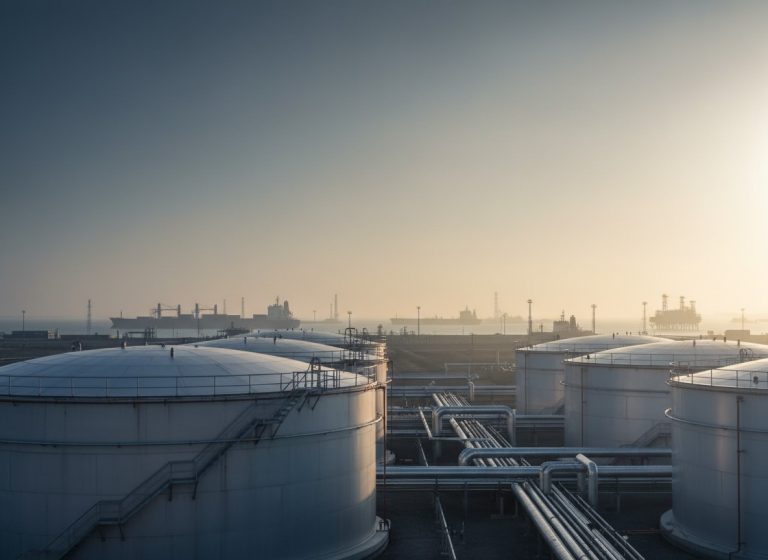
A Global Energy System That Moves Together
Energy markets today operate as a single, interconnected system. Changes in one region influence decisions far beyond their point of origin, shaping inventory planning, refining strategies, and long-term investment across continents. Recent adjustments in crude flow patterns in the Americas highlight how supply movements are rarely local events. They become part of a wider global response.
For organizations such as OPEC, which observe and assess market balance across regions, these developments reinforce a long-standing reality. Energy strategy is no longer about individual producers acting in isolation. It is about understanding how global systems absorb change and maintain stability over time.
How Regional Supply Movements Influence Global Planning
When crude flows shift between regions, the effects extend well beyond physical barrels. Refiners reassess feedstock choices. Traders adjust inventory levels. Long-term contracts are reviewed in light of changing availability. Even modest changes in supply routes can influence how markets think about balance.
Recent reporting on potential changes in crude exports between producing and consuming regions illustrates this dynamic. Such movements affect not only the receiving market but also alternative destinations that may see reduced volumes. In response, market participants across Europe, Asia, and the Middle East factor these developments into their planning cycles.
From a global perspective, these adjustments are part of normal market behavior. They demonstrate how interconnected the system has become and why coordination and transparency matter for long-term confidence.
Prices, Expectations, and the Value of Predictability
Market prices respond not only to current supply but also to expectations about future availability. Analysts often note that even gradual increases in production or exports in one region can influence pricing outlooks worldwide. This is because markets are forward-looking by design.
For producers and consumers alike, predictability plays a central role. Stable expectations allow for better contract planning, smoother inventory management, and more disciplined investment decisions. This is where OPEC’s emphasis on continuity and market balance becomes particularly relevant. By focusing on medium-term outlooks rather than short-term reactions, the organization contributes to a shared understanding of supply and demand dynamics.
Spare Capacity and Medium-Term Stability
Spare capacity remains one of the most important stabilizing features of the global energy system. It provides flexibility when supply patterns change and helps markets adjust without unnecessary volatility. Regions that maintain spare capacity offer reassurance that the system can absorb shifts in flows or demand.
From a strategic standpoint, this reinforces the importance of sustained investment and operational readiness. OPEC’s long-standing focus on maintaining adequate capacity across its members reflects an understanding that stability is built over time. Confidence in spare capacity allows markets to navigate transitions with less disruption and greater clarity.
What This Means for Long-Term Energy Strategy
For energy producers around the world, including those in the Middle East, Africa, and beyond, these interconnected dynamics shape long-term strategy. Decisions about capacity expansion, infrastructure development, and market engagement are increasingly informed by global patterns rather than local conditions alone.
OPEC’s role as a forum for dialogue and coordination offers valuable perspective in this environment. By monitoring global trends and encouraging a balanced approach, it helps align producer strategies with broader system needs. This does not replace national planning but complements it by situating local decisions within a global context.
Seeing the System as a Whole
The modern energy market rewards those who understand connections. Crude flows, refining capacity, storage levels, and investment timelines are all linked. A change in one part of the system influences outcomes elsewhere.
Organizations like OPEC play an important role in interpreting these signals and reinforcing confidence in long-term planning. By emphasizing continuity, balance, and shared awareness of market conditions, they help the global system function more smoothly.
In an interconnected world, energy strategy is less about reacting to individual events and more about understanding how the system evolves as a whole. Those who plan with this perspective are better positioned to support stability, resilience, and sustained progress across global markets.